How I Use Solscan to Track NFTs on Solana — Practical Tips and Gotchas
Okay, quick admission: I've spent way too many late nights poking around Solana blocks. Sometimes it's exhilarating. Sometimes it's a pain. But when I need a crisp readout of NFT activity — minting, transfers, notes on metadata changes — Solscan is the tool I reach for first.
Solscan started out as one of several explorers on Solana, but it grew into a focused dashboard that makes NFTs readable for humans, not just bots. It shows token accounts, metadata updates, collection-level activity, and has filters that actually work. That sounds obvious, but it's huge when you're trying to follow a floor sweep or a suspicious transfer.
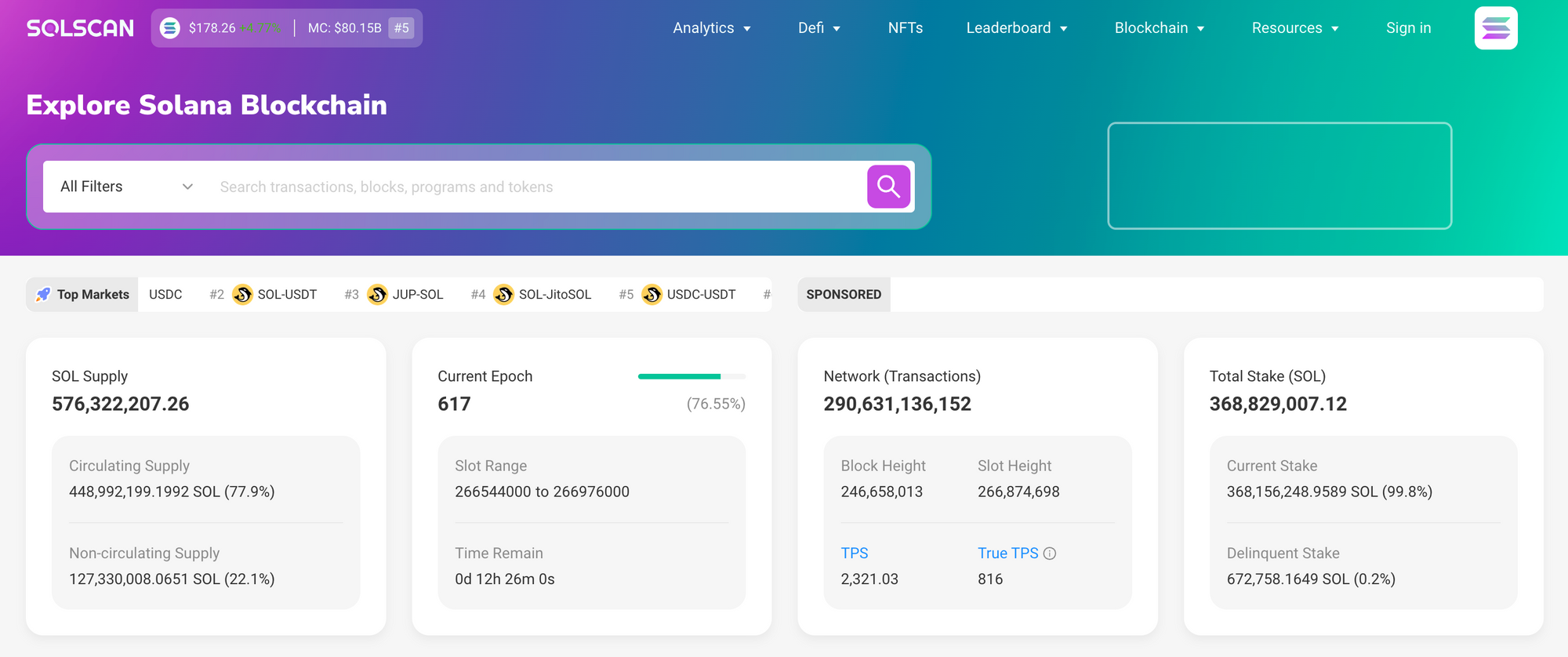
Why Solscan feels different
Short answer: clarity. Longer answer: Solscan combines transaction detail, a clean token/collection view, and useful developer endpoints without burying you under raw logs. If you know where to look, you get context fast — wallet analytics, recent trades, and the mint authority history all line up in a way that helps you make decisions.
For collectors this matters. For devs it matters more. You can trace provenance back to the mint, verify update-authority changes, and cross-check metadata URIs inside the same tool instead of opening a dozen tabs. It saves time — lots of it.
Core features NFT users should know
Here are the parts I check, in rough order, when investigating an NFT.
1) Token page — shows holders and recent transfers. This will tell you if the asset moved through a marketplace or was sent peer-to-peer. Look at the block times.
2) Metadata inspection — the token metadata account holds the link to the JSON (off-chain metadata). If the JSON unexpectedly changes or points to a new server, alarm bells.
3) Collection view — Solscan groups by collection when metadata is consistent, which makes spotting floor sweeps and wash trades easier.
4) Transaction details — Solscan decodes instructions, so you can see listing, sale, or transfer instructions in human-readable form rather than raw base58 blobs.
5) Account history — showing lamports and token balances alongside activity gives context. Did the creator hold some reserve tokens? Are royalties being routed correctly?
Step-by-step: verifying an NFT quickly
Start with the mint address. Paste it into the search box. The token page should show metadata and the current owner. Click through to the metadata link, then open that URL in a new tab to inspect the JSON. If the image URI points to an unfamiliar domain or an IPFS hash you don’t recognize, dig deeper.
Check the update authority. If the update authority changed recently, especially after sale events, that’s worth investigating — it could mean metadata was altered post-mint. Finally, look at the transfer history: sudden bursts of transfers at low gas cost often indicate bots or automated market activity.
Tips for avoiding common pitfalls
Watch out for lookalike collections. Two projects may use similar names but different collection metadata — that's how confusion gets monetized. Also, be cautious if metadata URIs are centralized (plain HTTP or an unfamiliar CDN). IPFS is more resilient, though not a guarantee — the JSON may still be rewritten if the update authority changed.
One more: Solscan will show decoded instructions, but sometimes the marketplace wrappers obfuscate intent — cross-check with the marketplace's contract docs. If something feels off, pause. Seriously — pause and verify.
Developer and API uses
If you're building tooling, Solscan offers endpoints that are handy for indexing NFT data and for pulling transaction-level instruction decoding. You can use those to build dashboards that surface mint activity, holder concentration, and royalty flows. It’s not the only way to do it, but it’s a pragmatic shortcut.
Pro tip: cache results where possible. Calls for collection pages can be expensive if you hit them repeatedly; sensible rate-limiting and caching make things smooth for users.
Security, verification, and trust signals
Solscan provides some trust signals, but don’t treat any single indicator as conclusive. Verified badges or links to known marketplaces are helpful, yet social verification (project Discord, verified Twitter/X handle, contract audits) should factor into your due diligence.
Also, keep an eye on permission changes — mint authority, update authority, and fee recipients. Those small fields are often where trust gets compromised.
If you want the official entry point for the explorer, here's a useful link to the solscan explorer official site — it's a good place to bookmark when you need authoritative navigation to the tools and docs.
Real-world scenarios I've seen (short)
Scenario: a drop mints and the floor collapses two days later; metadata update authority changed right after the launch. Red flag. The team fixed it, but collectors who checked early avoided getting flipped into a pump-and-dump.
Scenario: a suspected rug where the image URI was switched to a new host. Buyers who inspected metadata before buying flagged the change; others didn't and lost value. Lesson: verify metadata sources before mint or buy — it's simple but so easily missed.
FAQ
How accurate is Solscan's token metadata display?
Generally reliable — it reads the on-chain metadata and shows decoded fields. But the JSON it points to can be off-chain and mutable, so always open the JSON link and review the hosted data and image URLs yourself.
Can I rely on Solscan for legal or tax records?
Use Solscan as a reference for transaction history, but for formal records or tax reporting, export the data and consult a professional. Explorers are helpful for auditing transfers and timestamps, though you may need additional accounting tools to aggregate across wallets.
Does Solscan show marketplace listings?
Yes — it shows decoded instructions that indicate listings and sales on supported marketplaces. But marketplace-specific nuances might require cross-checking with the marketplace’s own APIs or UI for full context.